Perms Are Back — and They Look Nothing Like the '80s
The word "perm" still makes some people flinch. Understandable. The perms of the '80s and early '90s were a specific thing — tight, uniform, sometimes frizzy — and that image stuck. But the technique has changed enormously, and what we're doing now barely resembles what your grandmother sat through.
What actually changed
The old approach used harsh chemical formulations applied the same way to everyone, wrapped on small rods for maximum curl. The results were predictable in a bad way: stiff, uniform, and prone to damage.
Modern perming uses gentler solutions that work with the hair's structure rather than overwhelming it. The range of rod sizes, wrapping patterns, and application techniques has expanded considerably. We look at your natural texture, your density, how your hair moves, and what you actually want out of it before choosing an approach. The goal now is to create texture that looks like it belongs on your head, not like it was installed there.
What modern perms look like
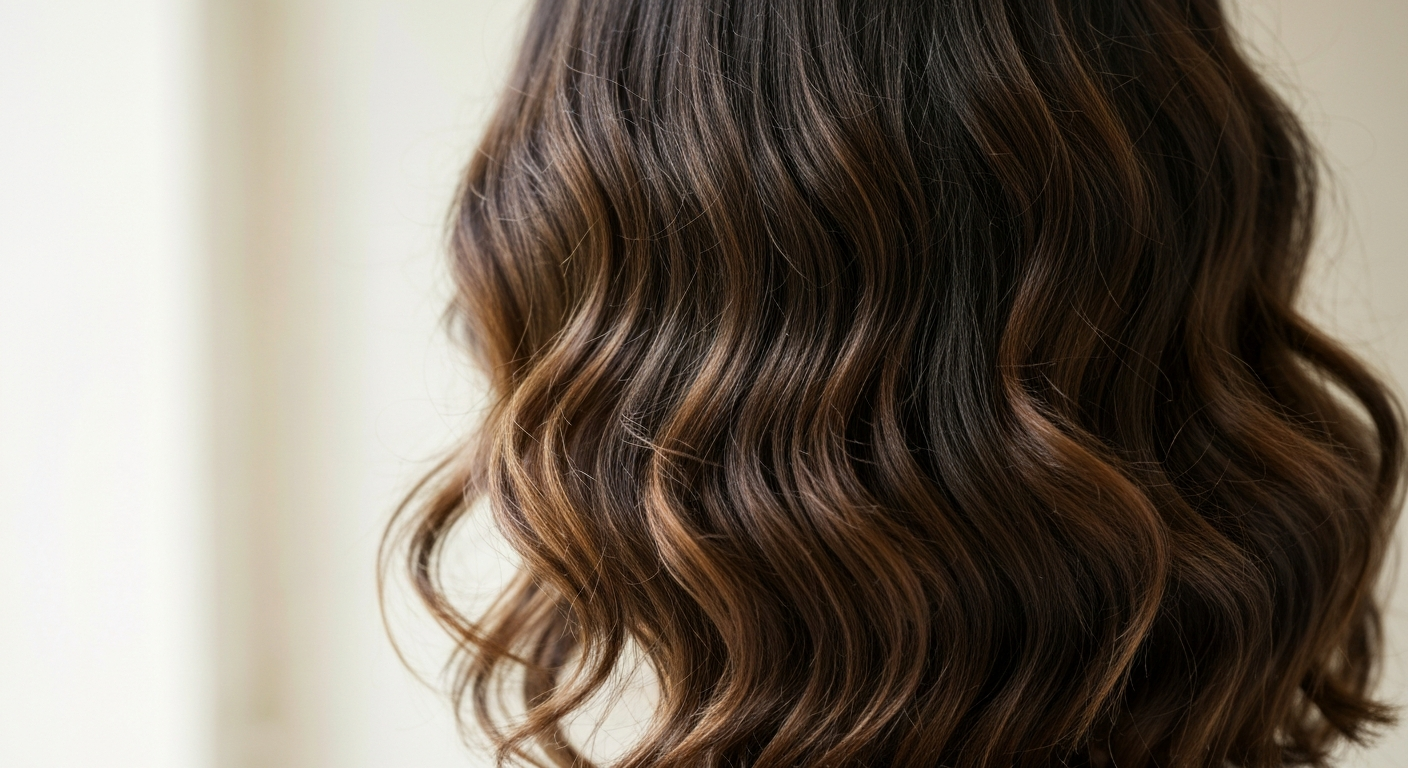
The most requested style right now is beach waves — loose, undone, the kind of texture that looks effortless. We achieve this with larger rods and wrapping techniques that create soft undulations rather than defined curls. It's very different from what most people picture.
Body perms are another popular option for anyone who wants more lift and movement without obvious curl. If you have fine or flat hair, this adds volume at the roots and through the mid-lengths, making the hair feel fuller and easier to style.
For clients who do want curl, we can create loose spirals that look natural and move well, sized to suit your face and the overall shape you're going for. Even spiral perms have changed — modern versions are far softer and less uniform than the name implies.
Every perm we do is built around the individual client. There's no one-size approach here.
Is a perm right for your hair?
The best candidates have healthy hair. If your hair is heavily bleached or significantly damaged, we may need to address that first — perming compromised hair can make things worse, not better. That's exactly why we start with a consultation.
Beyond condition, perms work well for people who want lasting texture without daily heat styling, who struggle to hold a curl, or who just want more volume and movement baked into their hair. A lot of clients come in because they're tired of spending twenty minutes every morning fighting with a curling iron for results that fall out by noon.
What to expect at your appointment
We'll start with a conversation about your hair and what you're looking for. From there, we'll look at your hair's condition and talk through the style options that make sense for your texture and face shape.
Once we've settled on a plan, your hair is washed and prepped. Sometimes a conditioning pre-treatment goes on before the perm solution to protect the hair. Then comes the wrapping — this is the part that takes the most time, because it's done section by section with care. The wrapping pattern and rod selection determine everything about how the finished result looks.
After wrapping, the perming solution is applied and monitored carefully. When the processing is done, the solution is rinsed out while the rods are still in, and then a neutralizer is applied to lock the new pattern in place. After the rods come out, your hair is rinsed again, conditioned, and styled. We'll walk you through how to care for it at home before you leave.
Taking care of a perm
For the first 48–72 hours, leave your hair alone. Don't wash it, don't put it up in a tight ponytail, don't tuck it behind your ears for long stretches. The new bonds need time to fully set.
After that, sulfate-free shampoo and conditioner are a must. Sulfates strip moisture and cause frizz, which works against the wave pattern you just put in. Keep the hair hydrated with a leave-in conditioner or curl cream. When drying, air dry when you can, and if you use a blow dryer, use a diffuser on low heat. Don't brush dry permed hair — use your fingers or a wide-tooth comb to keep the waves intact.
Trim your ends every 8–12 weeks to keep things looking healthy.
How long it lasts
A perm typically lasts three to six months, depending on your hair type and how tightly you wanted the wave. As it grows out, it softens gradually rather than leaving a harsh line — the new growth blends in reasonably well. Many clients come back for a root perm or a full refresh every few months. We can talk through the best maintenance rhythm for you during your consultation.
Why younger clients are into it
There's a clear shift happening. A lot of clients in their 20s and 30s are choosing perms specifically to reduce how much time they spend styling every day. Wake up with texture already there, use a bit of product, and you're done. No curling iron, no heat damage building up over time.
The other piece is that the look itself fits what people want right now: natural, relaxed, a little undone. Modern perms don't look processed. When they're done well, they look like you just have really nice hair.
If you've been curious about a perm but weren't sure it was for you, come in and talk to us. At European Hair Design, 2116 Pembina Hwy in Winnipeg, we'll give you an honest read on what would work for your hair and show you what's possible.