Balayage vs. Highlights: What's the Difference and Which Is Right for You?
When clients come in wanting lighter hair, the first question is usually some version of "should I do balayage or highlights?" It's a fair question, and the honest answer is that they're quite different techniques that produce quite different results. Understanding what each one actually does makes it a lot easier to walk into your appointment knowing what you want.
Traditional Highlights
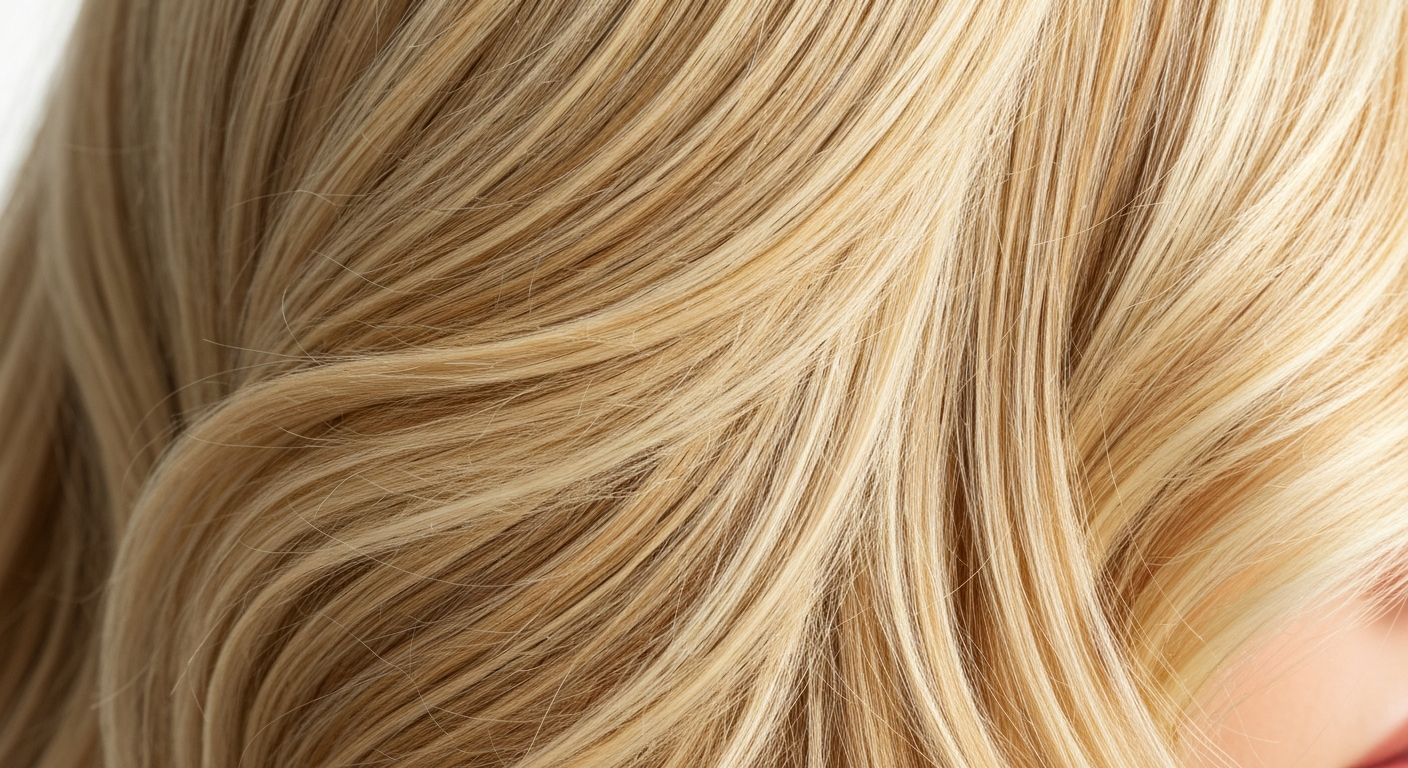
With traditional highlights, sections of hair are lightened from root to tip. Your stylist weaves or slices those sections out, paints them with lightener, and wraps them in foil. The foil creates heat, which helps the lightener process more evenly and gives a more consistent, often brighter lift. The result is structured: distinct lighter strands running through your hair that contrast with your base colour. When people picture classic blonde streaks, this is the technique behind them.
Because the lightener is applied at the root, the grow-out is noticeable. Most clients need a touch-up every 6 to 8 weeks to keep the line from becoming too obvious.
Balayage
Balayage is French for "to sweep," which describes exactly how it's applied. The stylist hand-paints lightener onto the surface of the hair in freehand strokes, working mostly through the mid-lengths and ends. There's no foil. The application is lighter at the root and heavier toward the tips, so the colour fades in gradually rather than starting sharp at the scalp.
Because nothing is sealed in foil, the lift is softer. That's by design. The goal is a natural-looking result, something that reads like hair that's been in the sun rather than hair that's been coloured. The grow-out is gentle too, which is why clients can often go 3 to 6 months between appointments rather than 6 to 8 weeks. Some just come in for a toner refresh to keep things bright without redoing the whole service.
The Bigger Difference in Application
With foil highlights, precision is the point. Your stylist can control exactly how much hair is lifted, where, and to what level. Fine babylights and chunkier highlights are both achievable, and the enclosed foil environment is what makes it possible to reach very light or platinum blondes.
Balayage is more about the stylist's eye and placement. The technique requires a different kind of skill: reading how your hair falls, where the light hits, and how to create a seamless blend through a series of painted strokes. Because the hair is open to the air during processing, the lift is softer and the edges are naturally blended.
Which One Actually Works for You
If you want a bright, uniform look throughout your hair, something polished and intentional, traditional highlights are probably the better fit. They're also the stronger choice if you're chasing a very light or platinum blonde, since foils give the extra lift needed to get there.
If you want something that looks natural, grows out gracefully, and doesn't require frequent salon visits, balayage tends to work better. It's especially good on wavy and curly hair, where the hand-painted effect works with the natural texture rather than against it. It also suits people who don't want a visible root line as their hair grows.
The Cost Question
Balayage often costs more upfront because the technique takes more time and a particular kind of skill. But stretched over a year, the gap can narrow considerably. Traditional highlights at every 6 to 8 weeks adds up. Balayage at every 3 to 6 months, especially if you're only coming in for a toner between full services, can actually be the more affordable option long-term. Hair length, density, and how much lightness you're going for all affect the price for either service, so it's always worth talking through the details at your consultation.
A Note on Home Care
Whichever technique you choose, colour-treated hair needs some attention at home. A sulfate-free shampoo and conditioner, a heat protectant, and a weekly mask will do most of the work. Purple shampoo is worth keeping around for both balayage and highlights if you're maintaining a blonde or lighter tone.
Not sure which direction to go? Come talk to us. We're at European Hair Design, 2116 Pembina Hwy in Winnipeg. We'll look at your hair, hear what you're after, and tell you honestly which technique will get you there.