:max_bytes(150000):strip_icc():format(webp)/1-1-222914ce303e454aaec07336a52514cc.jpg)
Balayage on Dark Hair: What's Actually Possible and What to Expect
If you have dark brown or black hair, you've probably wondered whether balayage is even possible on you. It is. But the process looks different than it does on someone starting with light brown hair, and knowing what to expect going in makes the whole experience a lot better.
Why Dark Hair Behaves Differently
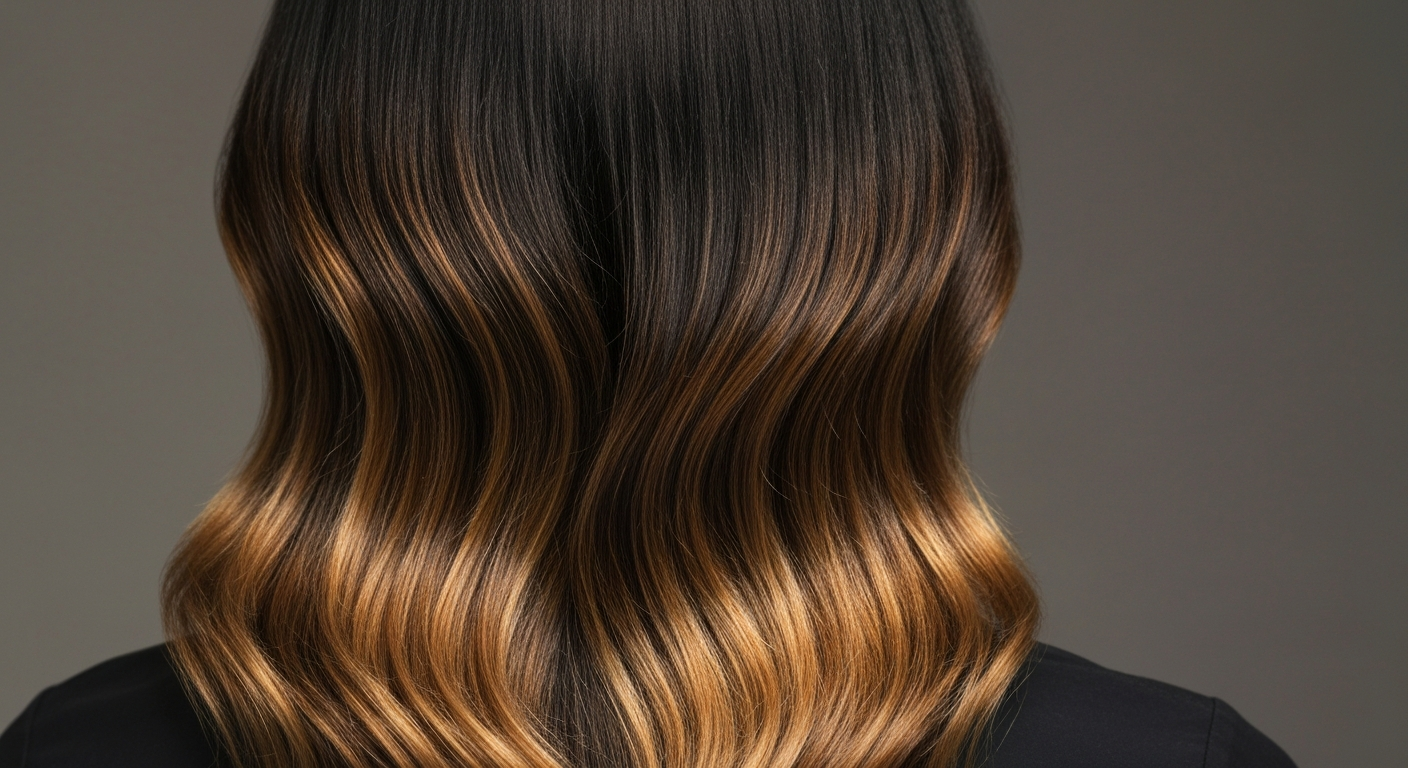
Dark hair, whether it's deep espresso or true black, has a high concentration of eumelanin. When lightener breaks down that pigment, it doesn't go straight to blonde. It moves through a warm spectrum first: red and orange for very dark hair, then yellow as it gets lighter. That's not a mistake or a bad batch of bleach. It's just how the chemistry works. The skill is in knowing when to stop, how much lift is safe in a single session, and how to tone what's left behind.
Multiple Sessions Are Normal
For most people going from dark brown or black hair to a noticeable balayage, one session won't get you all the way there. And honestly, trying to force it in a single appointment usually means compromising the hair's health. Breakage, uneven texture, and a patchy result are all real risks when you push too hard too fast.
A more realistic approach is to spread the work across two or three sessions, spaced a few weeks apart. The first session might take you to a warm caramel or reddish-brown. The next one can go further. That measured pace lets your hair recover between appointments and produces a result that actually holds up over time. It also gives you a chance to see how your hair handles the process and adjust the plan accordingly.
Toning Is What Makes It Look Finished
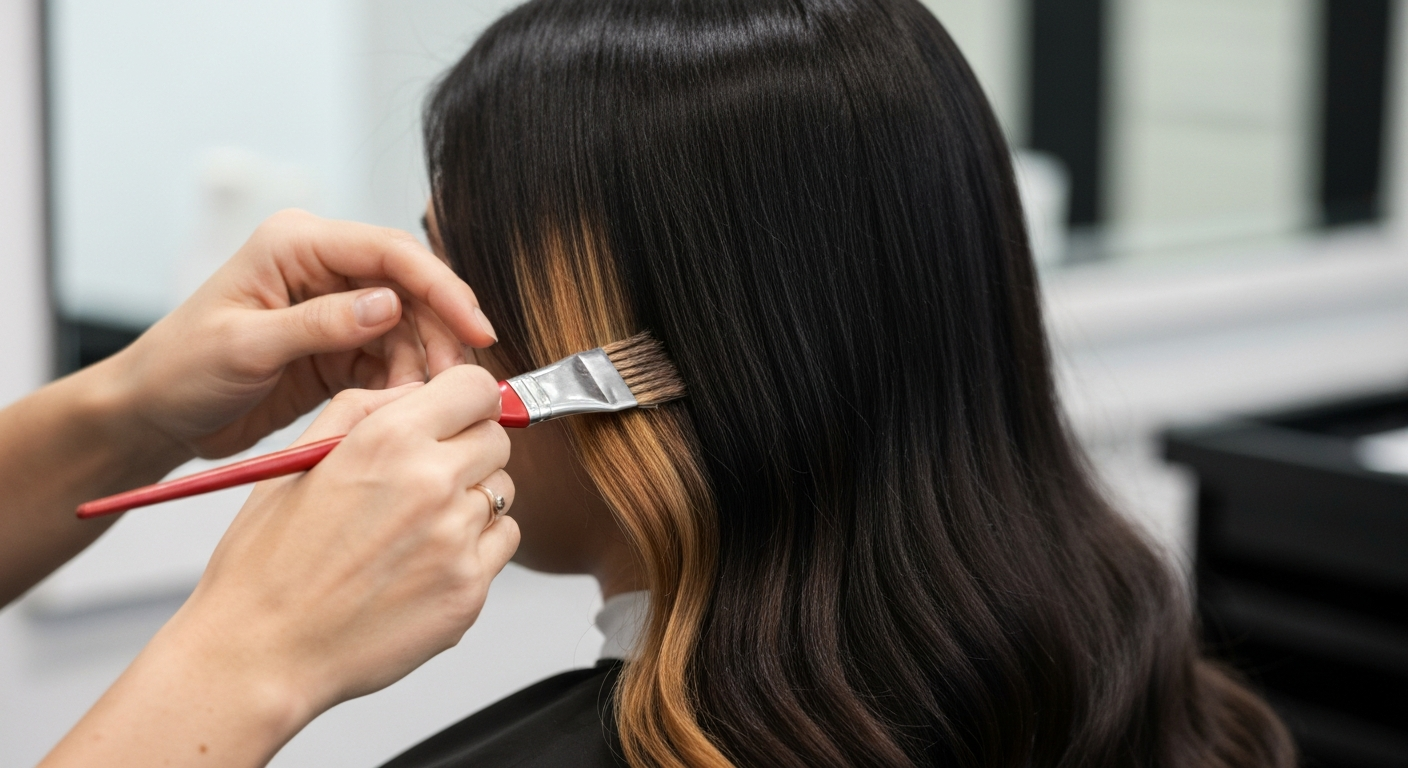
After lightening, your hair will have warmth in it. That's where toning comes in. A toner is a semi-permanent gloss that neutralizes the underlying pigment and shifts the color toward your target shade. Too much orange? A blue-based toner handles that. Too much yellow? Violet-based. This step is what separates hair that looks "just bleached" from hair that looks like a real, intentional color. Whether you want a cool ash, a creamy beige, or a warm copper, the toner is doing most of that work.
What Range of Results Is Possible
The lighter you want to go, the more sessions it usually takes. For a subtle, natural look, a stylist can place a few fine pieces around your face and through the ends, just a few shades lighter than your base. You'd barely notice the grow-out, and the overall effect reads as sun-kissed rather than colored.
For a more dramatic contrast, say bright blonde against dark roots, the process is more involved. More hair needs to be lifted further, and that almost always means multiple sessions. The placement also changes, with more concentrated lightness around the face and through the mid-lengths.
Both are achievable. The consultation is where the plan gets built around what your specific hair can handle and what result you're actually after.
Keeping It Up Once You Have It
Good home care matters a lot when you've lightened dark hair. Sulfate-free shampoo and conditioner made for color-treated hair will preserve your toner and slow fading. A purple or blue toning shampoo used once or twice a week keeps brassiness from creeping back in. A weekly deep conditioning treatment or mask makes a real difference for keeping lightened hair hydrated.
At the salon, a gloss or toning refresh every 6 to 8 weeks is worth doing to revive the color and add shine. A full balayage touch-up is typically needed every 3 to 6 months, depending on how fast your hair grows and how much contrast you're maintaining.
Patience Is Part of the Process
There's no shortcut worth taking. Rushing the lightening process risks the health of your hair, and damaged hair holds color differently, which undermines the whole result. The gradual approach isn't just a safety measure. It's actually how the best work gets done. Each session moves you closer, and your hair stays strong enough to get there.
If you're ready to explore what's possible for your dark hair, come in for a consultation at European Hair Design. We're at 2116 Pembina Hwy in Winnipeg. We'll look at your hair, talk through what you want, and build a realistic plan to get you there.